
Japan.
Let the contrast do the work.
Tokyo at full voltage. Kyoto at human scale. Osaka after dark. The route matters as much as the list.
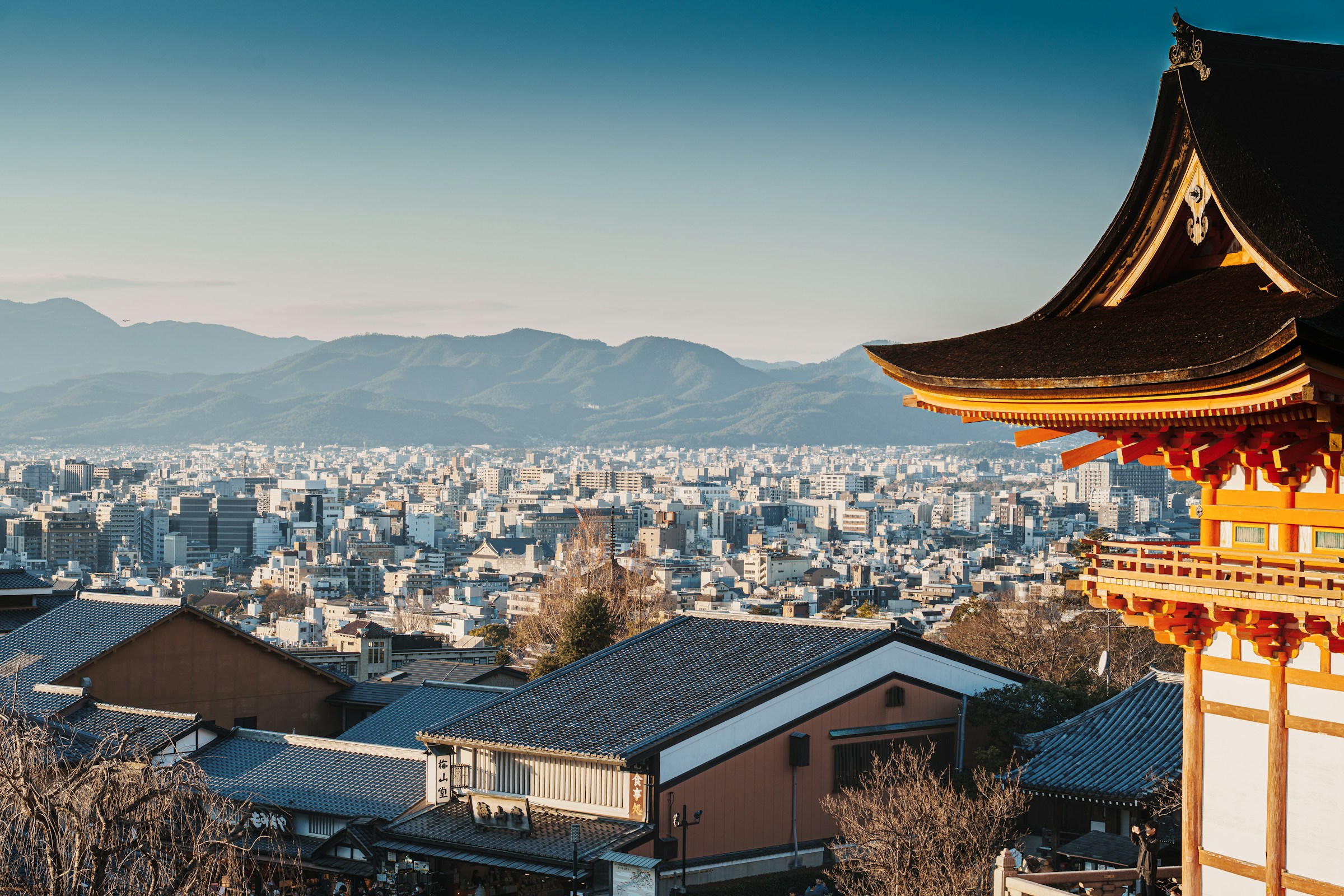
Start with rhythm, not a greatest-hits list.
Japan can make a traveler want everything at once: Tokyo neighborhoods, Kyoto temples, Osaka dinners, mountain towns, coastal views, and the tiny restaurant someone saved six months ago. The better question is not how much can fit. It is how the trip should change speed.
Let Tokyo be kinetic. Give Kyoto enough time to become more than a day trip. Use Osaka for food, personality, and a different kind of urban energy. Then decide whether a quieter town or a deliberate open afternoon would make the famous moments feel sharper. A custom route should follow your interests, pace, budget, and energy—not someone else’s checklist.
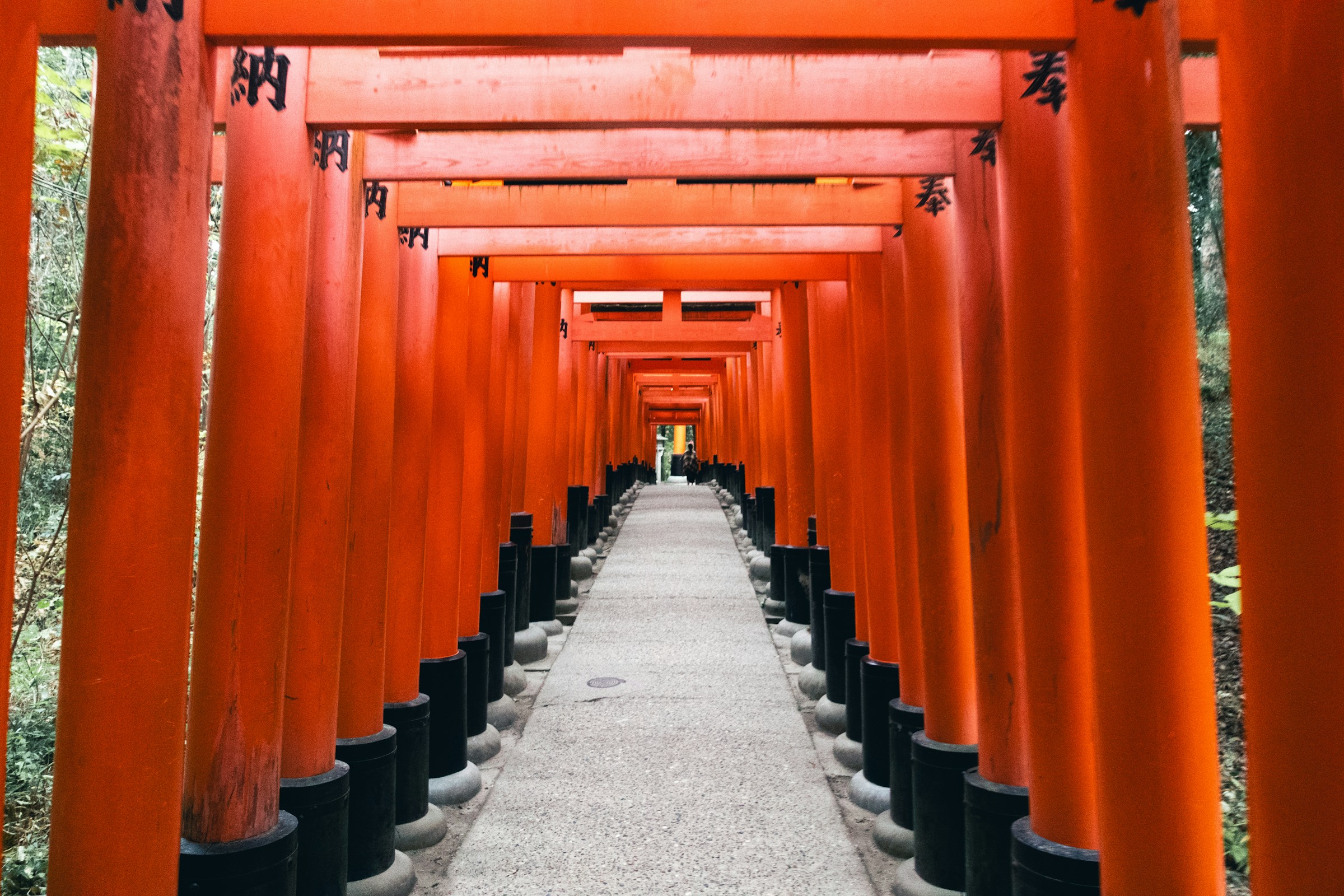
The train is elegant. The logistics still need editing.
Japan’s rail network makes ambitious routes possible, but possible and pleasant are not the same thing. Hotel location can matter more than a glamorous lobby. A transfer that looks simple on a map can involve a large station, luggage, reserved seats, and a platform change that arrives faster than expected.
The useful plan connects the whole day: where you wake up, how your bags move, which reservations are fixed, and what can stay flexible. Trains, transfers, hotels, experiences, and daily timing should work as one system. When they do, the mechanics recede and Japan gets to be the memorable part.
Make room for the Japan between the icons.
The trip may begin with temples, towers, and restaurants you already know by name. It becomes yours in the quieter details: a neighborhood breakfast, a small garden, an unhurried shop, or a meal you chose because the room felt right.
Food experiences and cultural sites can anchor a day. They should not consume every hour around them. Build in enough space to linger, change course, and notice the places that were never going to appear on a top-ten list.
“Japan rewards a precise route—and an afternoon with no assignment.”

The Jess take
A good Japan itinerary is an edit. It decides what belongs together, where to slow down, which reservations matter, and what not to book. That is the difference between moving efficiently through Japan and actually feeling the contrast that made you want to go.